


Urent
Urent
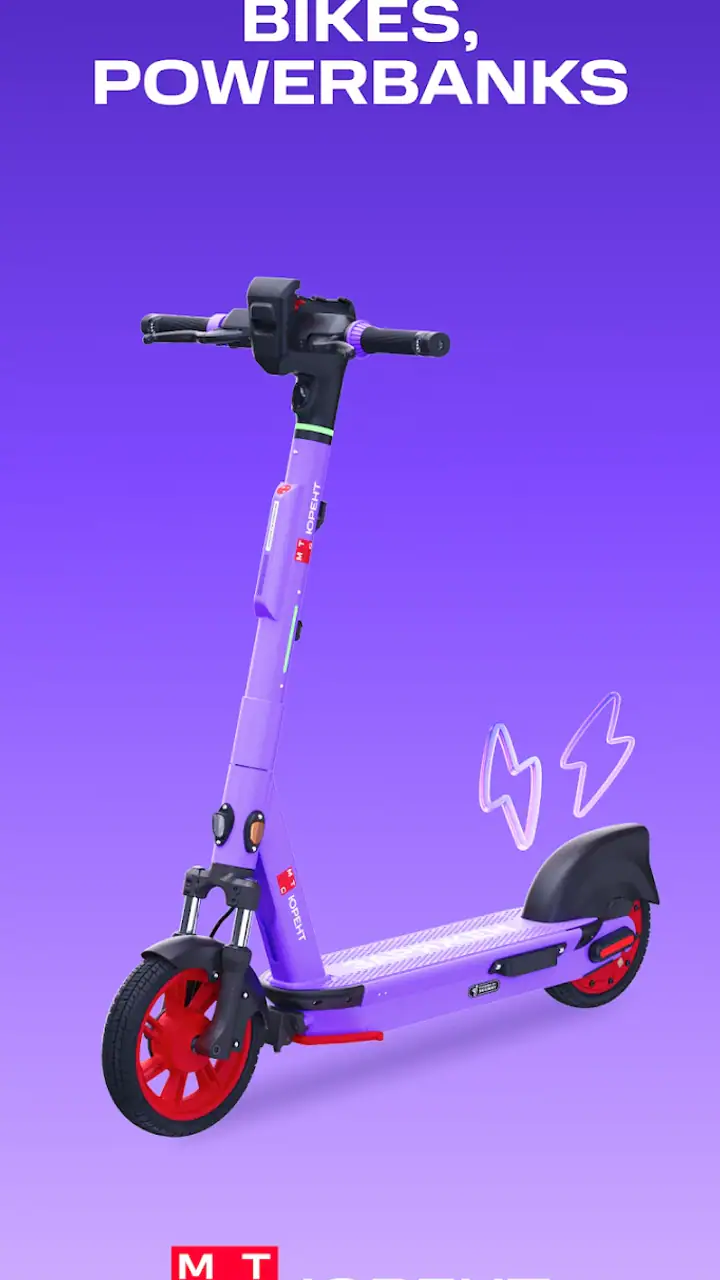
Getting around a busy city can be awkward when the distance is too short for a car but too long to walk comfortably. I tested Urent as a vehicle-sharing app for electric scooters and e-bikes, and I found that its real value depends less on the ride itself than on how smoothly the phone, the network, and the vehicle work together. When everything connects quickly, it can turn a frustrating last stretch into a simple trip. When the signal is weak or the app takes time to respond, the same journey feels much less effortless.
Urent is free to download and is made by Urent, a developer focused on this type of urban transport service. It sits in the Auto & Vehicles category, is rated for Everyone, and supports devices running Android 7.0 or later. The app has been available since August 29, 2018, and its current version is 1.97.1. Those details matter because this is not a novelty app built around a single occasional experiment; it is an established service that many people use as part of everyday travel.
How the app feels before the ride begins
The first thing I noticed is that Urent is most useful when I open it with a clear purpose. If I already know the general area where I want to start, the app can help me decide whether a scooter or e-bike is practical for that particular trip. It is less useful as a casual map to browse without a destination in mind, especially when I am in a hurry and need an immediate answer about availability.
The map is naturally the center of the experience. It needs to show the surrounding service area and available vehicles clearly enough for me to choose a starting point. That makes the phone’s location connection important from the beginning. If the position is slow to update, I may be looking at a stale or imprecise view of the nearby options, which can lead to an unnecessary walk before the ride even starts.
I recommend opening the app a few minutes before leaving rather than waiting until I am already standing outside a station, office, or apartment entrance. That small habit gives the map time to load and lets me check whether the nearest vehicle is actually convenient. It also avoids the common mistake of choosing a vehicle that appears close on the screen but is on the other side of a large building, road, park, or restricted area.
Related News

Why WhatsApp Messenger Still Makes Everyday Communication Feel Easy

Jurassic World: The Game Is the Better Dino Tycoon for Strategic Players

Threads in Real Life: Who Should Join, Lurk, or Leave

How SHEIN Turned Shopping Into an Endless Content Feed

How to Make Fortnite Feel Smarter on Mobile

Should You Switch to Microsoft Outlook on Mobile?
Urent’s strongest use case is the short urban connection: getting from public transport to work, crossing a large neighborhood, reaching a shop without taking a car, or avoiding a long walk after an appointment. For a planned intercity journey, a conventional taxi, public transport, or a privately owned bicycle is usually a better fit. Shared vehicles are about flexibility at the edges of a trip, not replacing every form of transport.
Connectivity is part of the ride, not just a technical detail
Because the service is built around locating and unlocking a shared vehicle, a working mobile connection is central to the experience. I would not treat Urent like a simple route planner that can be prepared once and then ignored. The app needs to communicate with the service at important moments, particularly when I am searching for a vehicle and beginning or ending a rental.
This changes how I plan. In a strong-signal area, the process can feel direct: open the app, inspect the map, walk to the vehicle, and continue. In a basement, underground passage, crowded transport hub, or street surrounded by tall buildings, the delay can become the main problem. The scooter may be physically nearby, but the phone may not be able to update the information quickly enough for that proximity to help.
Gallery
A useful trick is to check the map before entering a place where reception may drop. If I am leaving a train station, for example, I would rather identify a likely vehicle while I still have a reliable connection than wait until I am outside in a rush. I also keep the phone charged because a shared ride depends on the phone not only for discovery but for the practical steps around the rental.
The most important preparation is confirming the vehicle and the connection before I start walking toward it. That sounds obvious, but it prevents a surprisingly common failure: spending several minutes reaching a vehicle that is no longer available or whose location has not refreshed accurately.
Using it in ordinary mobile situations
Urent makes the most sense for people who already carry a smartphone throughout the day and are comfortable making transport decisions from a map. It is convenient for a spontaneous change of plan. I can leave a bus earlier than expected, check for a nearby scooter, and cover the remaining distance without arranging a full car journey.
It also works well when walking conditions are inconvenient rather than impossible. A hot afternoon, a heavy bag, a timetable gap, or a destination just outside a comfortable walking radius can all make an e-scooter or e-bike attractive. In these situations, the app gives me more control than waiting for the next bus and less commitment than owning and maintaining a personal vehicle.
There are trade-offs, though. I would not choose it when I need guaranteed door-to-door transport, when I am carrying fragile items, or when I cannot safely keep my attention on the road. I would also hesitate if I needed to arrive at an exact time and had no spare minutes for finding, unlocking, or returning the vehicle. Shared mobility is flexible, but flexibility is not the same as certainty.
For visitors, the learning curve is manageable, but the surroundings still matter. A person unfamiliar with the city may see a vehicle on the map without immediately understanding the best approach path or where a ride can sensibly finish. I find it helpful to think of the app as one part of the journey rather than the entire journey: the map helps locate the vehicle, while local awareness is still needed to choose a safe and practical route.
What happens when something goes wrong
The difference between a pleasant ride and a stressful one often appears at the edges of the rental. A delayed map update, a weak signal, or a phone that is low on power can turn a quick trip into a troubleshooting exercise. I pay particular attention to the start and end of the ride because those are the moments when I most need the app to acknowledge what I am doing.
If the vehicle does not appear as expected, I first move to a more open spot and give the connection a moment to refresh instead of repeatedly tapping the same control. I then check whether the map has moved with me and whether the selected vehicle still looks relevant. Repeating actions too quickly can make it harder to tell whether the app is processing a request or whether nothing happened at all.
At the end of a ride, I avoid walking away immediately. I take a moment to make sure the rental has actually finished in the app and that the vehicle is left in a suitable place. This is a practical habit with any shared vehicle service: the physical act of parking is not necessarily the same as completing the digital part of the journey. If the connection is unreliable, I stay nearby until the app catches up rather than assuming the process is complete.
That extra pause is one of my most useful recommendations for new users. It feels slower, but it is faster than discovering later that the ride did not close correctly or that the vehicle was left somewhere unsuitable. I also avoid starting a rental in a place where I expect the signal to disappear immediately. A few steps into a better-connected area can make the beginning much less frustrating.
These limitations are not unique to Urent, but they are more noticeable here because the app is tied to a physical object in a public space. A normal navigation app can often keep showing a route after a brief connection problem. A vehicle-sharing app has more immediate consequences when communication pauses at the wrong time.
Keeping mobile data and battery under control
Urent is not the kind of app I would leave open continuously. I get a better experience by opening it when I need to search, selecting a realistic nearby option, and closing other unnecessary apps before the ride. This keeps the phone focused on the task and reduces the chance that background activity or a crowded connection will make the map feel sluggish.
I also avoid refreshing the map every few seconds while standing still. If I am in a busy area, vehicle availability can change, but constant manual refreshing is not a good substitute for a clear plan. I check the map, walk toward a promising option, and refresh when I reach a sensible decision point. That approach is easier on both attention and battery.
Battery awareness matters more than it might with a standard travel app. If the phone dies during a normal navigation session, I may lose directions; with a shared scooter or e-bike, the phone can be part of the rental workflow. I therefore prefer to begin with a comfortable battery margin, especially when I am unfamiliar with the area or expect to make several transport changes.
For people with limited mobile data, the sensible approach is not to keep the map active longer than necessary. I use Wi-Fi when it is available for general planning, then rely on the mobile connection for the live parts of the journey. I would not promise a fully disconnected workflow, because the usefulness of this service depends on current vehicle and rental communication. Anyone who regularly travels through poor-coverage areas should keep a conventional backup plan.
Who will appreciate Urent most
I think Urent is a good match for city residents, commuters, students, and visitors who need short, adaptable connections and already feel comfortable using a phone to locate transport. It is especially appealing when public transport gets me close but not close enough, or when a car feels excessive for the distance.
The service has reached more than ten million installs and holds a 4.4 average from roughly two hundred forty-two thousand ratings, which gives me confidence that it is not a niche experiment. The store also shows 195 reviews, while the broader rating count suggests that many people have formed an opinion through regular use. I would still treat those numbers as context rather than a guarantee: a good average cannot remove the effects of local vehicle supply, network quality, weather, or the condition of the particular vehicle I find.
I would suggest skipping it if a trip requires predictable arrival above all else, if the route passes through areas with unreliable connectivity, or if the rider is not comfortable handling a scooter or e-bike in traffic. It is also not automatically cheaper or easier than walking when the destination is very close. The time spent locating and preparing a shared vehicle can outweigh the benefit of avoiding a short walk.
Compared with a taxi, Urent offers more independence and avoids waiting for a driver, but it does not provide the same door-to-door convenience or shelter from bad weather. Compared with public transport, it can solve the first- and last-mile problem more directly, but it is more sensitive to vehicle availability and phone connectivity. Compared with owning a bicycle, it removes storage and maintenance responsibilities, while giving up the certainty that a vehicle will always be waiting exactly where I want it.
A realistic trip from start to finish
Imagine leaving a metro station with a meeting across a large commercial district. Walking would take long enough to make the appointment uncomfortable, while a taxi would feel excessive for a short urban hop. I would open Urent before leaving the station, inspect the nearby vehicles, and choose one that does not require crossing a complicated road or entering a restricted-looking area.
Before walking away from the station entrance, I would check that the map has refreshed and that my phone has enough battery for the trip. After reaching the vehicle, I would take a moment to confirm that I am working with the intended one rather than rushing because it is visible nearby. During the ride, I would keep the phone available for navigation without repeatedly interacting with it.
At the destination, I would choose a place where leaving the vehicle is practical and considerate rather than stopping at the exact point where I happen to lose momentum. Then I would remain close until the app reflects that the rental has ended. If the network hesitates, I would move to a more open location and wait for confirmation instead of immediately starting another task.
This example shows both the strength and weakness of the service. Urent can remove a frustrating gap in a journey, but I still need to manage the digital handoff carefully. The app does not eliminate transport decisions; it makes one particular option available when the surroundings, connection, and timing line up.
My view after weighing convenience against friction
Urent is a useful mobility tool when I treat it as a connected service rather than simply a digital map of scooters and e-bikes. Its best moments are quick and practical: I find a nearby vehicle, cover a short distance, and avoid the inconvenience of a longer walk or a full car trip. The free price of the app makes trying that workflow easy, and the Everyone age rating keeps its presentation broadly accessible.
The main weakness is dependence on circumstances outside the app. A poor signal, low battery, unclear parking situation, or lack of a nearby vehicle can undermine the convenience immediately. Users who expect the same certainty as a private bicycle or a booked taxi may find that frustrating. I also would not rely on it as my only plan for an important appointment.
Still, I would recommend giving Urent a try if your daily routes include short urban gaps and your phone connection is normally dependable. My practical advice is to check availability before walking to a vehicle, keep enough battery for the complete rental, avoid frantic repeated taps when the network is slow, and confirm the ride has ended before leaving. Used with those habits, it becomes a genuinely handy part of a city commute rather than an app I open only when every other option has failed.
My final verdict is positive but conditional: Urent is at its best when connectivity, location, and a short trip all align. For flexible last-mile travel, it offers a worthwhile alternative to walking, buses, taxis, and private ownership. For guaranteed timing or weak-network journeys, I would choose a more predictable option instead.
FAQs for Urent
What is Urent and how does it work?
Urent is a mobile application designed to simplify the process of renting vehicles and equipment. Users can browse through a wide selection of listings, filter options based on their preferences, and book rentals directly through the app. The platform also facilitates secure payments and provides customer support for a seamless rental experience.
Is Urent available in my country?
Urent's availability depends on the partnerships and listings in your region. The app is expanding its network globally, so it’s best to check the app store for your country to see if it’s offered. You can also visit the Urent website or contact customer service for more specific information regarding your location.
What types of rentals can I find on Urent?
On Urent, you can find a diverse array of rental options, including cars, motorcycles, bicycles, and even specialized equipment like cameras and drones. The app caters to various needs, whether you're looking for a quick ride or specific equipment for a project. The inventory is regularly updated based on user demand and availability.
How secure is the payment process on Urent?
Urent prioritizes user security by utilizing encrypted payment gateways to protect personal and financial information. Users can make payments confidently, knowing that their details are safeguarded. Additionally, the app offers support for resolving any payment-related issues, enhancing user trust and satisfaction.
What should I do if I encounter issues with my rental?
If you experience any problems with your rental, Urent provides a customer support feature within the app. You can contact support for assistance with issues such as cancellations, refunds, or operational difficulties. It's advisable to document any problems and communicate promptly to ensure a swift resolution.
Pros
- User-friendly interface for easy navigation.
- Wide variety of rental options available.
- Real-time availability updates.
- Secure payment options integrated.
- 24/7 customer support for assistance.
Cons
- Limited to certain geographic locations.
- Occasional app crashes reported.
- Requires stable internet connection.
- Some users find pricing slightly high.
- Account setup can be time-consuming.


